
33 Retreating - The I Ching

Retreating is saving.
Lines
1
Retreating with his tail between his legs.
2
Hold it in yellow ox hide, none can untie it.
3
Retreating in a bind. There is sickness and danger, care for a concubine.
4
Retreating well. It’s a sage’s luck, most can’t do it.
5
Retreating very well.
6
Retreating fattened.
Qabalah
Binah. The Three of Cups and the Three of Swords.*and the Queen of Cups and Queen of Swords
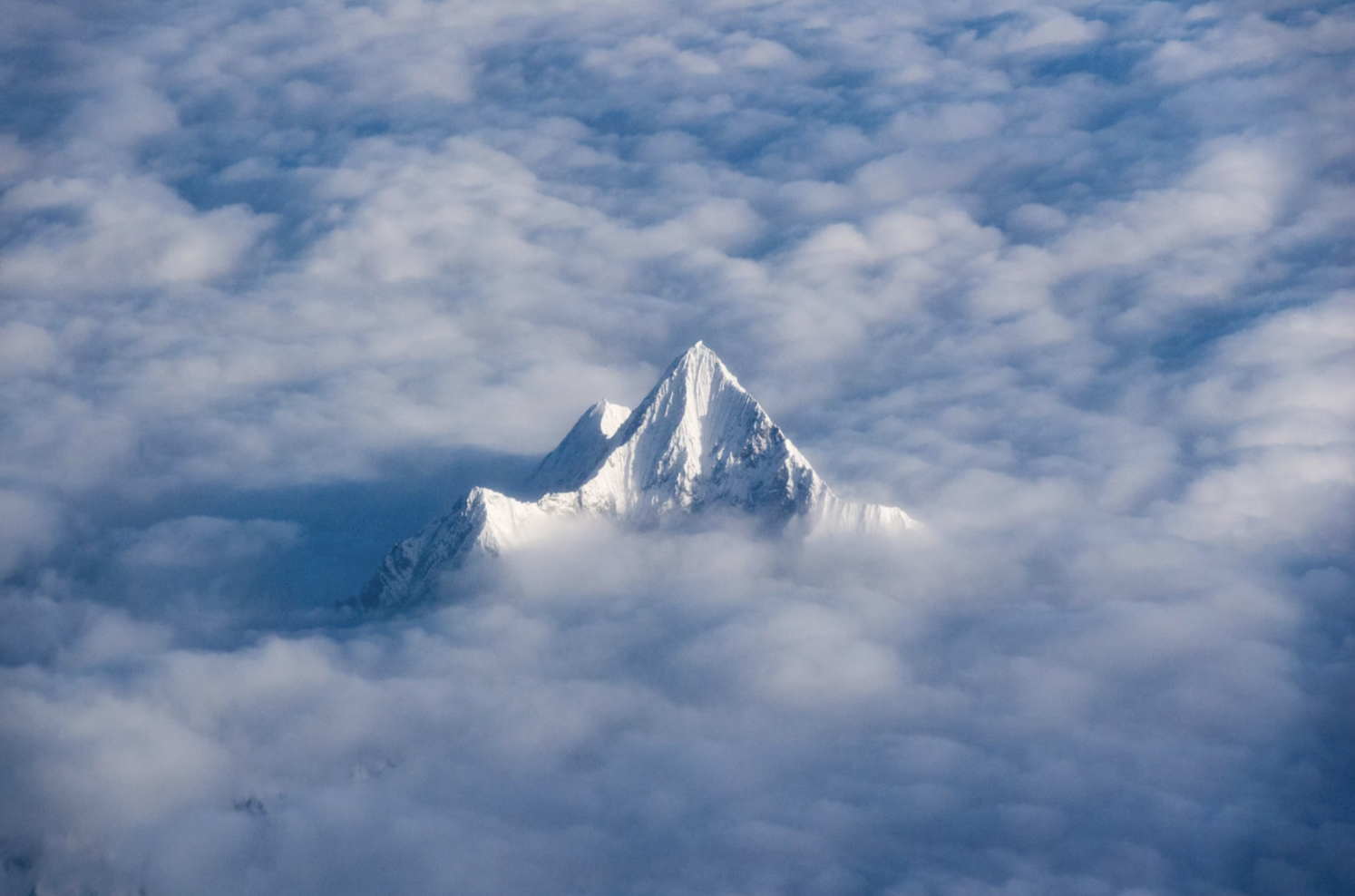
In this hexagram we find the great and mighty made small from the perspective of heaven. From a high enough vantage point, even the tallest mountains appear tiny. The ideogram gives us the image of walking and a sacrificial pig - retreating is giving up ground.
Judgment: Though retreat is the act of losing ground, it can save equipment, ammunition, and, most importantly, lives. Retreating does not necessarily mean failure.
1 A humiliating retreat. As we will see in the next lines, this is an avoidable situation. Beyond the tail between the legs, this is “saving your tail” and “turning tail”, running away quickly to avoid danger.
2 This is holding ground, where yellow is the color of rightness. With a strong enough will, one can persevere through situations that would make others retreat.
3 This is retreating when things get rough. As the concubine shows, the one who retreats today gets to live tomorrow. Yet, it is still a dangerous and shameful situation, and calls to mind an image from the ancient Greek poet Archilocus:
A Saian now delights in the shield I discarded
Unwillingly in a bush, for it was a good weapon.
I saved myself.
What do I care about the shield?
To Hell with it. I’ll find another one just as good.
4 The retreat well is to retreat without danger. The character for “well” is a woman and child, those who occupy the home, as such, this is “getting home”. In dangerous situations, the oft repeated statements are “I just want to make it home” or “I want to get back to my wife and kids”. In a more common register, this is having a good time at a bar or party, and then going home, not going all night and losing control. Beyond that, it is retiring from the world into the family itself.
5 Here, we move past the simple goal of survival which has defined the previous depictions of retreat and into“hit and run” tactics, in which soldiers make quick surprise attacks and then immediately retreat. This is retreat without hesitation or shame. Over time these “hit and runs” break down the enemy and eventually gain ground which makes victory far easier.
6 Beyond the hit and run, we have the raid, the “smash and grab”. This is retreating with your hands full of the enemy's supplies, prisoners, or information. This is also “having one’s fill” or retiring. When one has worked hard and gained wealth, it is good to know when enough is enough. The same is true of eating and drinking, it is good to stop when you’ve had enough.
The ancient Spartans had a line “Return with your shield, or on it”; retreat has often been a dirty word, but many wars are won through the decisive use of retreat. If forces simply stood face to face, equipment and numbers would be all that mattered in warfare. Effective use of retreats allow for outnumbered and less advanced armies to overcome far greater forces. These tactics are especially common in rebellions and revolutions. Consider Mao Zedong’s 16 Character Formula:
Enemy advances, we retreat,
enemy stationed, we disturb,
enemy tired, we fight,
enemy retreats, we chase.
This brings us back to the central image, the mountain under heaven, the tall made small. 9 “The Small”, a hexagram of Chokmah, is the Qabalistic opposite of this is hexagram. While 9 is concerned with “making a mountain out of a molehill”, here we have the mountain made into a molehill. This is the image of the Tower of Babel; all the men of the Earth, using all that they could, built a tower to reach heaven, but like the childish god of Heraclitus, God scattered mankind like toys and they retreated across the Earth. Thus we see how the small can be great and the great are made small.