
1 Heaven (Order) - The I Ching
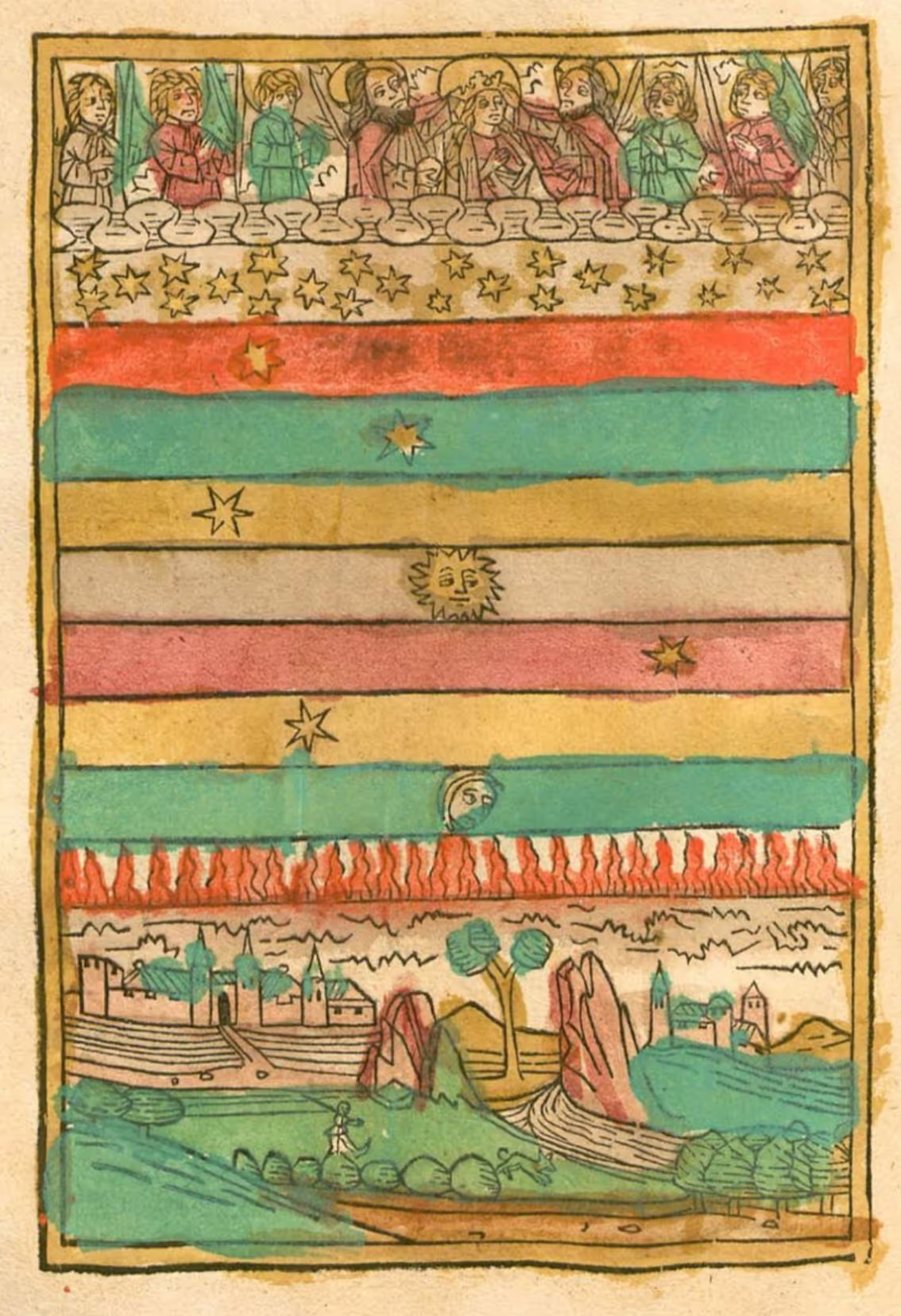
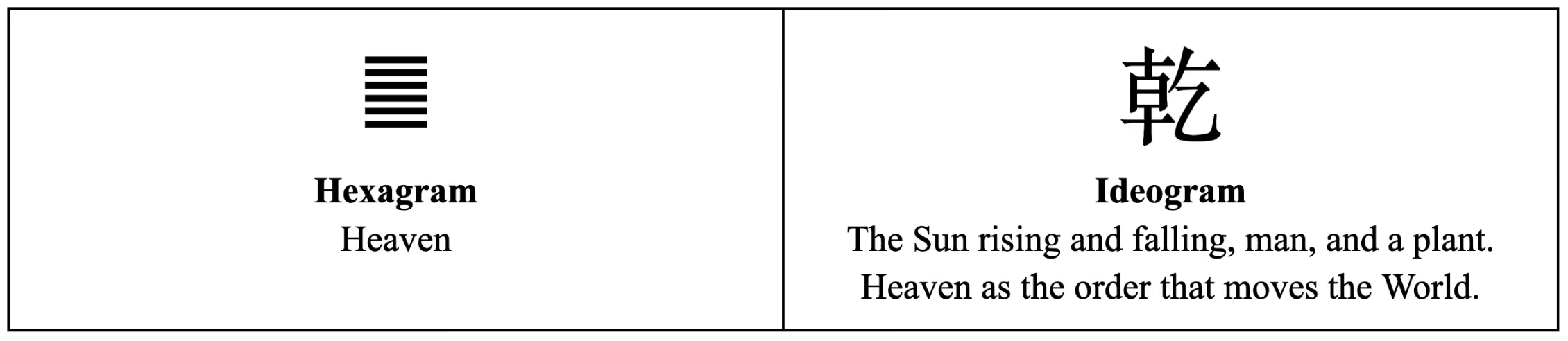
We start at the top, with Heaven as the first hexagram of the I Ching. The hexagram is made of six solid lines, creating a picture of a clear blue sky. The ideogram, on the other hand, gives us a very profound image: the movement of the Heavenly bodies, mankind, and nature in unison. The phenomena depicted here is the ordering, creative principle. This is the Will of Occultists and philosophers, and the “Energy” of the New Ager. Wilhelm Reich called this “Orgone” and wrote very directly about this very thing:
Heaven can be symbolized as light itself. The first utterance of God in the Bible is “Let there be light”, just as this is the start of the cosmology of the I Ching. We can think also of the rainbow as another good image to hold with Heaven, light refracted into an ordered and beautiful set of rays.
Crowley associated this Hexagram with the Phallus, and as we Qabalistically correspond it to Kether and the four aces in Tarot, we can associate this divine phallus with the Ace of Wands and Ace of Swords.
The hexagram calls to mind the Kinks song “Big Sky”, in which the Sky sees the problems of man, but is literally too big to sympathise. This is the very nature of Heaven for the Taoist. Consider chapter five of the Tao Te Ching:
This great energy, called Will and Orgone, is essentially amoral; it moves the world, while it itself is unmoved.
As for the Dragon written about in the lines of the hexagram, we can think of what the Yogis call the Kundalini - a serpent or dragon that lays dormant in all humans, coiled at the base of the spine, waiting to ascend. They are an ambassador of Heaven within us. Significantly, Heaven features a unique 7th line, which none of the other hexagrams hold.
Here, like the Kundalini connection, we can relate it to the Great Work of Thelemic magick: the Headless Rite. Through self beheading, the individual unites with their greater self, the Guardian Angel, Daemon or Genius. One can say a beheaded man makes the whole sky his head.