The Ghent Altarpiece, or Adoration of the Mystic Lamb
Hubert And Jan van Eyck
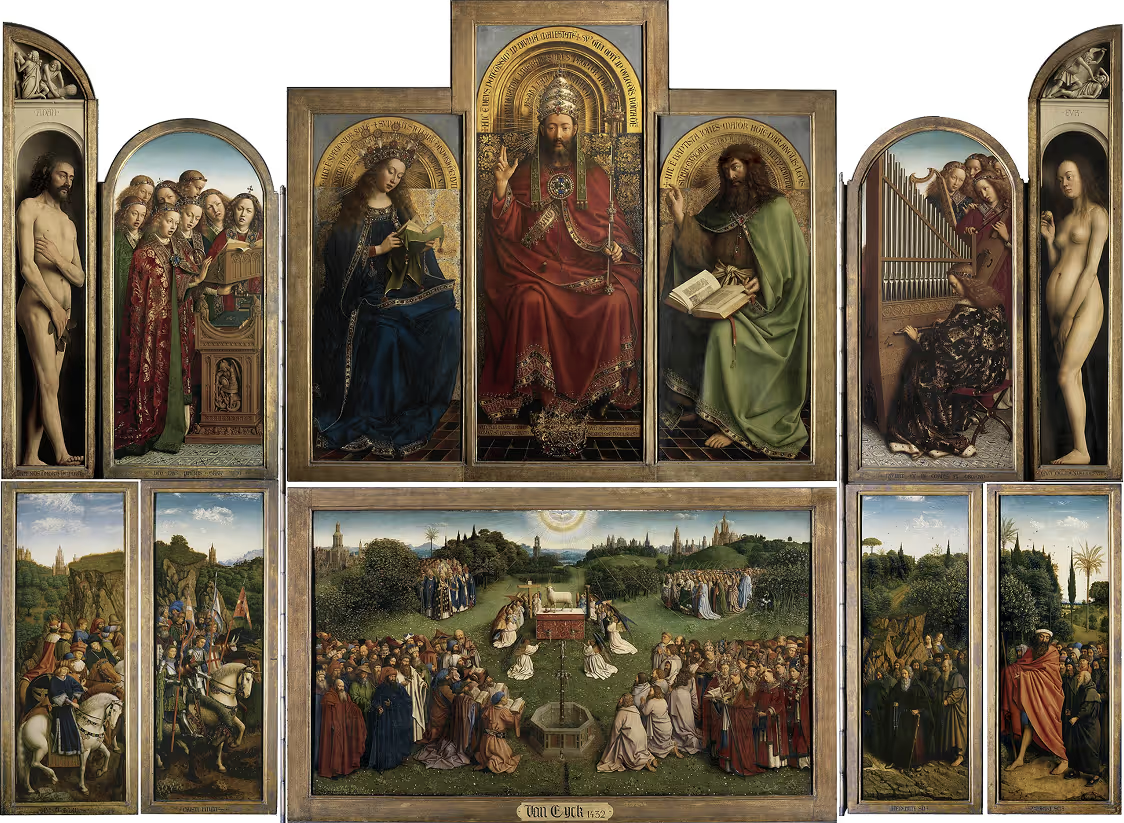
Hubert and Jan Van Eyck heralded the artistic end of the Middle Ages and the Ghent Altarpiece is their crowning achievement. A work of staggering, exacting beauty — it is reverent in its portrayal of divinity while still grounding itself in earthly presence. This marked a departure from the overarching symbolism and flat, matter-of-fact compositions of the work that came before. Instead, the Van Eycks championed observation of nature and human representation as a means to approach holiness, focusing the attention of the religious pilgrim to himself and his place on earth, as opposed to the idealisation of Christian spirituality. God sits above, centred, in royal garb, flanked on either side by the Virgin Mary and St. John the Baptist. Angels play heavenly music and Adam and Eve complete the edges of the upper row. Below, scenes of pastoral prayer play out, watched over by the dove of the Holy Spirit. The human, mortal world literally holds up divinity. It was a radical suggestion — that the everyman is not just worthy of representation but is necessary in the story of God, though the hierarchy is clear. It is generally accepted that, after Hubert’s death in 1426, the younger Jan van Eyck took up his stead and completed the painting, when it was then displayed in St. Bavo’s Cathedral where some 600 years later it still stands today. It is amongst the important pieces of Western art ever created, laying the foundations for the Renaissance and changing the very world it sought to represent.
Tuesday 6th October
At this time of year, Michaelmas invites us to reflect on courage, truth and the changing season. Alongside it, Mabon, the modern Pagan celebration of the autumn equinox, honours the harvest and the balance of light and darkness. The Michaelmas story tells of the Archangel Michael leading his angels against a dragon, overcoming it and casting it out of heaven. The dragon represents evil and deception, but we might also see in it the fears and habits that keep us from facing the truth. Michael’s courage invites us to look honestly at ourselves, to question what we believe and to act with care, even when it is difficult. In the garden, we can bring this same honesty to our reflections: what flourished, what struggled, and what might we do differently next year? As we gather crops and return nourishment to the soil, we can give thanks for what the season has taught us. And as the sunlight fades, we can tend a warmth of our own through kindness, courage and care for the living world.
The Ancient Sky - Taurus
The Bull of Heaven takes many forms...
48 The Well - The I Ching
Towns change, but you can’t change the Well.
Film
Film
Film
Iggy Pop Playlist
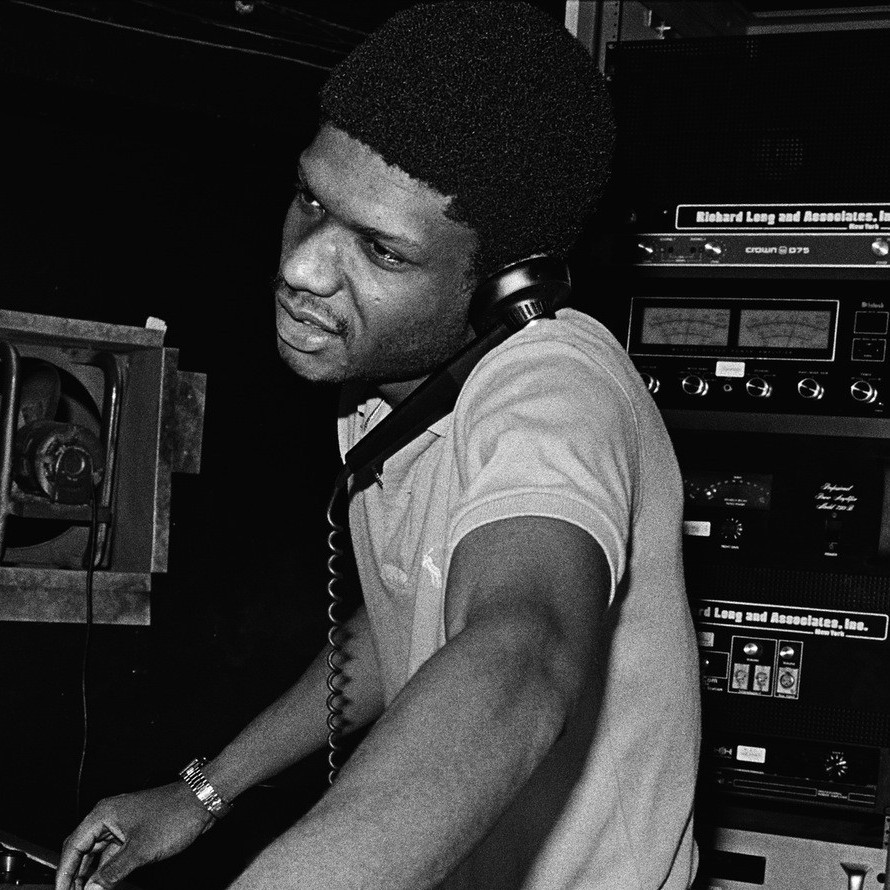
Larry Levan Playlist
Hannah Peel Playlist